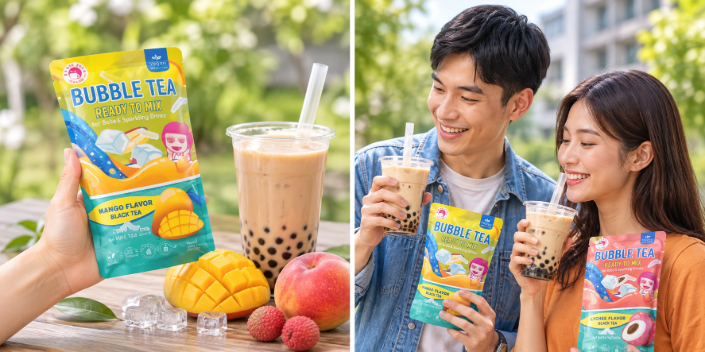
In the 2026 Ready-To-Drink (RTD) market, "convenience" is no longer a core competency; it is merely the basic threshold. As consumer demands for quality of life rise, the RTD sector is undergoing a qualitative shift toward "premiumization" and "functionalization". To stand out on crowded shelves, brands must find innovative breakthroughs within the "golden triangle" of market positioning, flavor R&D, and visual packaging.
Redefining Market Positioning: Three RTD Tracks
The current RTD market has moved beyond a simple "thirst-quenching" category, evolving instead into three core positions based on consumption scenarios:
- Premium Craft Track
Targeting customers pursuing a sense of ritual in life, these products emphasize the traceability of raw materials (such as single-origin cold brew coffee or hand-picked tea leaves). They effectively "bottle" experiences that previously required a visit to a professional storefront. - Functional Boost Track
Designed for high-pressure urban lifestyles, these are no longer simple energy drinks. Instead, they are functional waters or teas integrated with "Nootropics" or "Adaptogens" benefits, emphasizing psychological or physiological state transitions after consumption. - Social Substitute Track
Targeting the "Sober Curious" group mentioned previously, these RTDs are positioned for "elegant non-alcoholic socializing". Their appearance and mouthfeel possess the complexity of alcoholic cocktails, satisfying requirements for parties and gatherings.
Flavor Innovation: Breaking Category Boundaries with "Hybrid Flavors"
The flavor trend for 2026 is "unpredictability". Consumers have grown weary of common flavors like citrus and strawberry, prompting brands to introduce more contrasting and layered profiles:
- The Botanical Twist
:
Incorporating Eastern herbs (like ginseng and longan) or Western spices (like pink pepper and turmeric) into bases creates flavors with "adult depth" and reduces cloying sweetness. - Umami Elements:
Adding trace amounts of sea salt, miso, or savory salted cheese foam layers to juices or teas significantly enhances flavor uniqueness and memorability. - Texture Play:
Innovation in RTD inclusions—such as low-calorie agar, liquid popping boba, or natural pectin—adds the joy of "chewing" to the act of drinking, enhancing satiety and sensory layering.
Brand Packaging and Visuals: From "Functional Presentation" to "Sensory Teasing"
In an era where digital and physical channels coexist, packaging design must possess both "shelf presence" and "social contagion".
Photography-Driven Branding
Product imagery on packaging has shifted from realistic illustrations to high-quality product photography. Brands are now emphasizing a "dynamic" and "translucent" visual feel:
- Dynamic Splashes:
Utilizing high-speed photography to capture the instant of liquid colliding with ice cubes can immediately trigger consumer desire. - Light and Shadow Layers:
Professional lighting treatments showcase the delicate texture of glass bottles and the semi-transparent beauty of the liquid, creating a sense of "premium-tier" value.
| Innovation Dimension |
Strategy Highlights |
Consumer Perception |
| Packaging Material |
Sustainable plastic reduction; unique tactile frosted glass bottles |
Environmental awareness and premium tactile experience |
| Label Design | QR Code interaction; AR flavor storytelling | Increased brand stickiness and exploration fun |
| Visual Presentation | High-saturation colors; macro photography texture | Strong visual impact and high-quality impression |
Using Visuals to Tell Stories, Using Flavor to Retain Hearts
To cross the "Red Ocean" of competition, future RTD brands must build strong visual storytelling capabilities. When packaging design perfectly communicates innovative flavors and visual imagery triggers sensory imagination, a brand can successfully convert a "one-time purchase" into "long-term brand loyalty".
In 2026, successful RTD brands will no longer be mere beverage manufacturers, but "lifestyle curators".