The Rise of Experiential Consumption: Why "Ready-Made" Isn't Enough
In today's retail market, simply offering sensory satisfaction is no longer sufficient for a brand to stand out. Macro data indicate that consumers are actively shifting their budgets toward "Experiential Consumption." They are not just looking for a thirst-quenching drink; they are seeking an engaging process that delivers emotional value.
The popularity of Boba Tea DIY Kits is a direct reflection of this consumer psychology. It grants consumers absolute control over ingredients and sugar levels (aligning with the Clean Label trend) while providing the sense of accomplishment that comes from crafting something by hand. However, for distributors and retail chains, understanding this product's potential requires looking beyond the "beverage" category to recognize its "cross-category expansion capabilities."
The Fatal Flaw of Traditional DIY and the Technological Pivot
In the past, many channels experienced low repurchase rates when introducing traditional DIY boba tea kits. The root cause was a disconnect between the product design and the modern pace of life. Requiring a consumer to stand over a stove for 15 to 40 minutes to boil dry tapioca pearls after a long workday exhausted their patience and severely damaged their intent to repurchase.
This is precisely where BOBA CHiC's technological pivot occurs. To capture the full spectrum of consumer preferences, we have redefined the DIY standard through a "Dual-Track Product Innovation":
- For consumers seeking the classic chewy texture, our "Rapid-Heating Instant Boba" restores a freshly-cooked mouthfeel in just minutes via microwave or hot water.
- For demographics preferring fruit flavors or cocktail applications, our "Ready-to-Eat Popping Boba" requires absolutely zero preparation.
This dual strategy preserves the engaging experience of mixing and decorating, while eliminating the traditional pain points of "40-minute boiling and washing sticky pots." When end-consumers can consistently achieve professional-grade results in under 3 minutes (or even instantly), the retailer's recurring revenue stream is naturally secured.
Based on this technological advantage, we observe that DIY kits have generated 5 high-margin cross-merchandising opportunities on the retail floor:
From Single Beverage to Multi-Sensory Experience: 5 High-Margin Retail Scenarios
1. The Kitchen as a Science Lab: Capturing the Maternity and Gifting Markets
When parents seek quality bonding time, the DIY kit evolves from a simple food item into an "Edutainment FMCG." Observing physical changes in the boba and practicing volume ratios turns the kitchen into a sensory learning environment.
- Channel Strategy: Distributors can move beyond the ambient beverage aisle and place the product in premium supermarket family sections, or package them as interactive family gift boxes during holidays to command a higher premium.
2. The Collision of Popping Boba and Alcohol: High-AOV Displays in Liquor Aisles
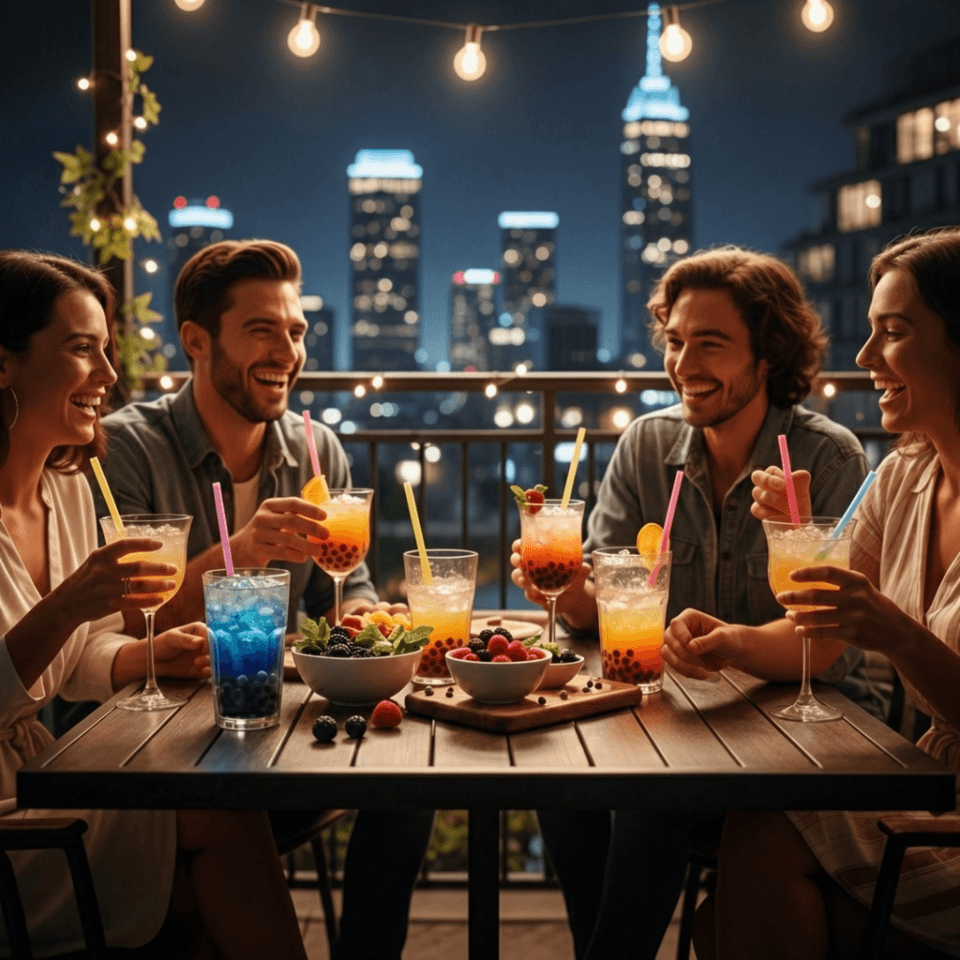
The dynamics of the night economy are shifting. More consumers are hosting gatherings at home and are eager to create visually impactful drinks. Adding juice-filled, ready-to-eat popping boba to gin or vodka provides a burst of flavor and a rich textural layer to cocktails.
- Channel Strategy: This presents an excellent cross-merchandising opportunity. Displaying kits in the liquor section not only attracts high-spending adults but also drives total sales volume of associated goods like spirits and sparkling water.
3. The Workplace Pantry Ritual: Developing B2B Corporate Orders
In high-pressure work environments, professionals need healthy avenues for stress relief. Taking a few minutes in the office pantry to craft a layered matcha boba tea serves as a self-reward after a project and a ritual to reset the work rhythm.
- Channel Strategy: Target corporate procurement departments focused on employee wellness or office snack suppliers. Promoting scheduled subscription plans builds a stable, large-volume sales pipeline.
4. Health Solutions Integrated with Fresh Produce: Green Opportunities
Health-conscious consumers have started blending overripe household fruits into smoothies and pairing them with DIY boba. By utilizing the natural sweetness of fruit instead of added syrups, they create high-fiber drinks that meet their personal health standards.
- Channel Strategy: Distributors can partner with fresh food supermarkets to set up joint displays near the produce section. This aligns with ESG trends focusing on reducing food waste and attracts high-net-worth consumers prioritizing healthy diets.
5. Texture Enters Ambient Baking: Expanding to the Baking Supply Aisle
The application of boba has long surpassed liquid boundaries. Consumers are placing cooked boba inside hot-pressed sandwiches or folding them into pancake batter, making boba the centerpiece of a dessert. This textural transition significantly extends the product's usage occasions.
- Channel Strategy: This versatility qualifies the product for entry into baking supply stores and ambient baking mix aisles. Showcasing these creative recipes effectively stimulates consumer purchase motivation and broadens the product line's reach.
👉 Ready to capture the growth momentum of experiential retail?
The cross-category application of DIY kits brings a fresh layout perspective to traditional shelves. Contact the BOBA CHiC international sales team today. We provide customized cross-merchandising proposals and corporate evaluation samples tailored to your specific retail channels.