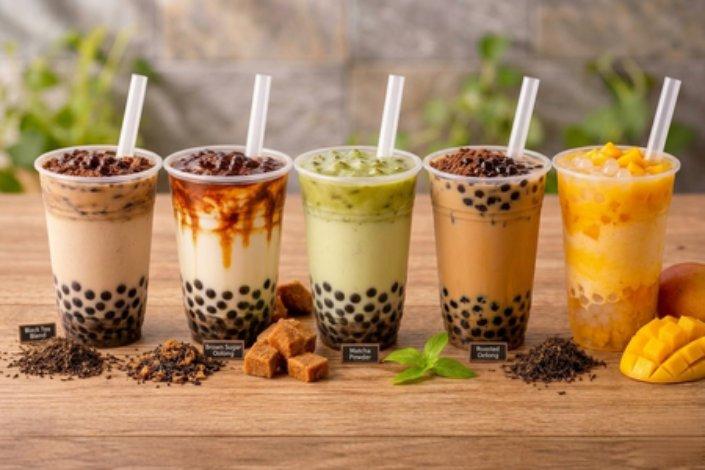
A bubble tea menu can be genuinely overwhelming the first time. Tea-based options alone might include black tea, green tea, oolong, and oolong latte. Sweetness runs from zero sugar to full sugar. Toppings range from regular tapioca pearls to mini pearls, popping boba, and grass jelly, and that is before you factor in cheese foam and pudding. Too many choices, and most people just freeze.
Classic flavors exist because they have survived the market long enough to prove themselves. The flavor is balanced, the audience is broad, and the risk of being disappointed is low. Starting with one of these five makes it easier to find a cup you actually like on the first try.
1. Classic Milk Tea with Tapioca Pearls: The One That Explains What Bubble Tea is
Black tea, milk, and tapioca pearls. This is what bubble tea looked like when it started, and it remains the clearest way to understand what the category is about. The tea comes through cleanly, the milk rounds it out, and the pearls add a rhythmic chewiness that turns every sip into a slightly different experience. No single element dominates.
If you have no idea where to start, or if you are introducing bubble tea to someone who has never tried it, this is the right cup. Order it at half sugar on your first go. It gives the tea more room to come through and makes it easier to decide whether you want to adjust next time.
Best for: First-time bubble tea drinkers, people who want to understand the format before exploring variations, and those who prefer balance over intensity.
2. Brown Sugar Milk with Pearls: Higher Sweetness, Stronger Impression
The difference between classic milk tea and brown sugar boba is where the sweetness comes from. Brown sugar syrup has a caramel depth that refined sugar does not. It brings a slight smokiness and a lingering finish that makes the sweetness feel more dimensional. The pearls are cooked in brown sugar syrup, so they carry flavor of their own rather than just providing texture.
This drink is sweeter than classic milk tea. If you are sensitive to sweet beverages, start with less sugar. But if you already lean toward richer drinks, this one tends to become a regular order quickly. The tiger-stripe pattern the syrup creates on the cup wall is also a real part of the experience: it looks as good as it tastes.
Best for: People who enjoy bold, rich sweetness, those who appreciate drinks with visual appeal, and anyone who wants a more indulgent version of bubble tea.
3. Green Tea Milk with Pearls: For People Who Think Bubble Tea Might Be Too Heavy
The most common concern people have before trying bubble tea is that it will be too sweet or too rich. Green tea milk addresses that concern directly. Green tea's natural freshness and clean finish make the overall drink noticeably lighter than a black tea base. The milk presence is softer, and there is no lingering heaviness after you finish.
This style is common in Japanese-influenced bubble tea shops because it suits the preference for lower-sweetness, tea-forward drinks that Japanese consumers generally favor. If you drink more tea than sweet beverages in your daily life, green tea milk with pearls is a way into bubble tea that will not feel like a major departure from what you already enjoy.
Best for: Regular tea drinkers, people cautious about sweetness, and those who find milk-heavy drinks uncomfortable.
4. Oolong Milk Tea with Pearls: More Depth, Without Being Complicated
Oolong tea in bubble tea sits between black tea and green tea in intensity, but the flavor character is distinctly its own. Roasted oolong brings a warm, toasty aroma that integrates well with milk and produces a finish that black tea rarely matches. It is not bitter and not astringent. The aftertaste is clean and lingers pleasantly.
This is a good choice for anyone who has tried classic milk tea and found it enjoyable but slightly flat. Oolong milk tea tends to taste better at lower sweetness levels because the tea itself has enough going on that it does not need sugar to carry it. Taiwanese oolong, in particular, has a well-established quality reputation internationally. If the tea base is good, this drink changes how you think about what bubble tea can be.
Best for: People who already enjoy classic milk tea and want more complexity, tea enthusiasts, and anyone willing to try something a step beyond the basics.
5. Fruit-Based Bubble Tea (Mango or Strawberry): A Different Entry Point Entirely
If you have no particular interest in milk tea, or if you are lactose intolerant, fruit-based bubble tea gives you access to the same core experience through a completely different route. There is no milk involved. The drink is built around fruit flavor and the texture of popping boba or tapioca pearls, and that combination is enough to understand what the category offers.
Mango's tropical sweetness and strawberry's tart brightness are both more visually energetic than milk tea, and the flavor profiles read as lighter and more refreshing. This style is increasingly common in health food and organic retail channels because it can be made dairy-free and low-sugar while keeping the texture experience that defines bubble tea. For some consumers, fruit-based bubble tea is not a gateway to milk tea. It is simply the version of bubble tea they prefer.
Best for: Non-dairy drinkers, lactose-intolerant consumers, people who prefer fruit-forward refreshment over creamy drinks.
Three Practical Tips for Your First Order
You do not need to master the full menu on your first visit. Three things are worth keeping in mind.
Start with half sugar. Full sugar in bubble tea covers the tea flavor significantly. Half sugar lets the tea come through and gives you a clearer sense of whether the flavor profile works for you. If it still feels too sweet, go lower next time. If you want more, you can adjust it.
Stick with tapioca pearls for your first order. Pearls are the defining texture of the category. Adding multiple toppings to a first order introduces too many variables and makes it harder to understand what you actually like. Get the core experience first, then add from there.
One bad cup is not a verdict on bubble tea. Five tea bases, multiple topping options, and adjustable sweetness mean there are dozens of meaningfully different drinks within the same category. If the first one does not land, a different combination often will.
The five flavors covered in this guide represent some of the most consistent consumer demand globally across the bubble tea category. For retail buyers and brand teams planning product ranges, this list is a reasonable starting framework for flavor selection.
BOBA CHiC offers OEM formulation services for buyers who want to develop market-specific bubble tea products. Sweetness levels, milk base (oat milk, plant-based alternatives), and flavor profiles can be configured to match the target market and channel requirements. If you are planning a bubble tea range for a specific market, contact us to discuss formulation options and arrange a sample evaluation.
FAQ
A: Classic milk tea with tapioca pearls is the most reliable starting point because it is balanced, widely liked, and gives you a clear sense of the format. If you do not usually drink milk-based drinks, a fruit-based bubble tea with tapioca pearls or popping boba is a strong alternative.
A: It depends on the sugar level you order. Full sugar is genuinely quite sweet and can overwhelm the tea flavor. Starting at 50 percent sugar is a reasonable first choice. In specialty shops, you can usually adjust the sweetness to your preference. With ready-to-drink or instant kit formats, the sweetness is set by the recipe.
A: Yes. Oat milk, almond milk, and soy milk are widely available as substitutes for traditional dairy milk in bubble tea. Fruit-based bubble tea contains no milk at all and is a natural choice for anyone with lactose intolerance or a preference for dairy-free drinks.