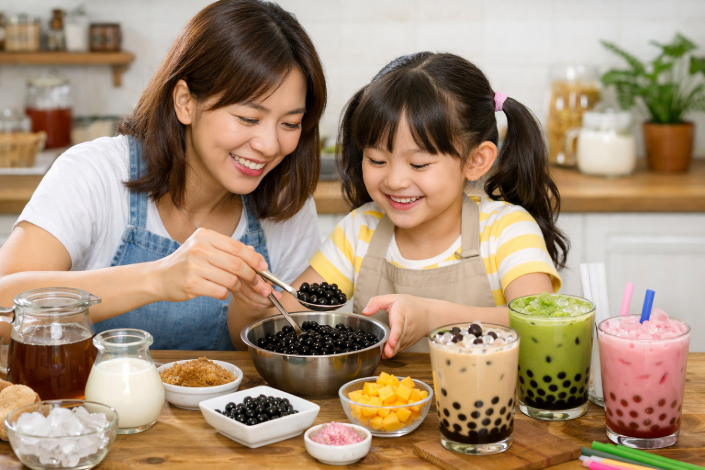
For a retailer, a DIY kit earns shelf space when shoppers can quickly understand the occasion, the product is easy to store and display, and the finished result feels worth giving or buying again.
A DIY kit combines materials, an activity and a finished product. Customers may buy it for a family afternoon, a holiday gift, a small gathering or an at-home beverage experience. That makes the category relevant to gifting, but only when the product positioning and retail requirements are clear.
Why DIY Kits Can Work in Retail Gifting
A retail-ready DIY kit usually needs to satisfy three conditions.
The Occasion is Easy to Understand
The packaging should tell shoppers who the product is for and when they might use it. Common occasions include:
- Family activities
- Birthday and holiday gifts
- Small gatherings
- At-home beverage experiences
- Adult parties and mocktail occasions
If shoppers need to read a long explanation before they understand the product, the item becomes harder to merchandise and sell from a shelf.
The Finished Result has a Purpose
A drink, dessert or usable item gives the customer a clear outcome. It is not simply a box of materials that may be forgotten after the activity is finished.
A beverage DIY kit, for example, gives customers something they can make and consume. Different flavors and seasonal formats can also give retailers options for testing new occasions and gift displays.
Storage and Fulfillment are Manageable
Retail buyers need to understand how the product fits into existing warehouse, display and distribution processes. Storage temperature, shelf life, carton quantity, package dimensions and opening instructions all affect the product’s suitability for a given channel.
For SKUs approved for ambient storage, retailers may reduce the need for refrigerated display and cold-chain distribution. Storage conditions should always be confirmed through the product label, specification sheet and destination-market requirements.
Separate the Main Consumer Occasions
Family-oriented kits and adult beverage kits should not be marketed as the same product occasion. They have different age, packaging and compliance requirements.
Family and Parent-Child Activities
A family DIY kit should give parents and children a simple activity with a clear result.
Examples include:
- Bubble tea kits
- Fruit tea kits
- Non-alcoholic beverage kits
- Dessert and simple food kits
The package should clearly state the recommended age range, whether adult supervision is required, the preparation time, ingredients and allergen information.
The goal is not to make the process as complicated as possible. A good family kit gives adults and children enough to do together while still allowing them to finish the activity within a reasonable amount of time.
Adult Beverage and Party Experiences
Cocktail, mocktail and popping boba kits serve a different occasion. They may be suitable for adult gatherings, seasonal events and at-home beverage preparation.
Retailers should confirm:
- Whether the kit contains alcohol
- Whether an age restriction applies
- Whether customers provide their own alcohol
- Whether the package includes serving ratios and safety instructions
- Whether the product is compatible with carbonated, acidic or dairy-based drinks
If a product is non-alcoholic but designed for cocktails or mocktails, the packaging should make that distinction clear.
Six Things to Check Before Sourcing
| Evaluation Area |
Questions for the Supplier |
| Use case | Is the product for families, gifting, gatherings or adult occasions? |
| Age labeling | Does it require adult supervision or an age restriction? |
| Storage | What are the unopened and opened storage requirements? |
| Food safety | Are ingredient, allergen, food-contact and compliance documents available? |
| Packaging | Can shoppers understand the product quickly, and is it suitable for display and shipping? |
| Commercial terms | What are the MOQ, unit cost, suggested retail price, lead time and customization options? |
These questions are more useful than judging a product only by its visual appeal. Retailers need products that can be explained clearly, supplied consistently and supported with the right documentation.
Why Beverage DIY Kits Are Worth Evaluating
Beverage kits have one practical advantage: the finished result is consumed rather than left on a shelf at home.
That allows the same product category to serve different occasions:
- Weekend family activities
- Seasonal gifting
- Small gatherings
- Summer beverages
- Non-alcoholic drinks
- Adult parties
Different flavors, formats and seasonal designs can give retailers several ways to test the category. Repeat purchase should still be measured through actual sales data rather than assumed from the product type alone.
Where BOBA CHiC Fits
According to its official company information, BOBA CHiC operates its own manufacturing facility in Taichung, Taiwan. Its product range includes DIY Bubble Tea Kits, Bubble Fruit Tea Kits, Cocktail Popping Boba Kits, ready-to-drink beverages, desserts and toppings.
The company lists ISO 22000, HACCP, Halal, FSSC and FDA-related documentation or compliant production practices where applicable. The specific certificates and documents required depend on the product category and destination market.
BOBA CHiC also provides OEM and ODM support. Depending on the project, this may include:
- Flavor and sweetness adjustments
- Packaging formats
- Labeling requirements
- Product specifications
- Market-specific documentation
- Private-label product development
Start with One SKU
Retailers new to the category do not need to launch a complete product range immediately.
First, decide which occasion the product will serve: family activities, seasonal gifting or adult beverage experiences.
Next, check whether the package explains the use case, preparation time, age guidance and finished result within a few seconds.
Then request samples, storage information, ingredient documentation, food-safety records and pricing from the supplier.
Finally, run a small-scale sales test. Track customer questions, sell-through, returns, reasons for purchase and performance across different display locations.
This approach helps retailers assess the market before expanding into additional flavors, formats or private-label development.
Conclusion
DIY kits are not automatically a strong retail category simply because they are new or shareable. They need a clear occasion, understandable packaging, manageable storage requirements and the documentation required by the target market.
Family beverage kits can serve parent-child activities and seasonal gifting. Cocktail and mocktail kits can serve adult gatherings and beverage experiences. With clear positioning and appropriate supplier support, DIY kits can give retailers another product format to test within the experience-led gifting market.
If you are looking for products for retail shelves, seasonal gifting or beverage experiences, request our wholesale catalog and samples to discuss the right product mix for your market.